Broken Earth Project.
Clay is earth and a living thing.
Clay is a body, and also represents our bodies.
Our bodies are broken, our systems are broken, our Earth is broken.
Broken Earth Project picks up the pieces of an artwork I began developing in 2019, but needed to leave behind. The core concepts of environmental grief and healing ritual were never resolved and have continued to form in the years since, patiently waiting for the underpinning theories to mature.
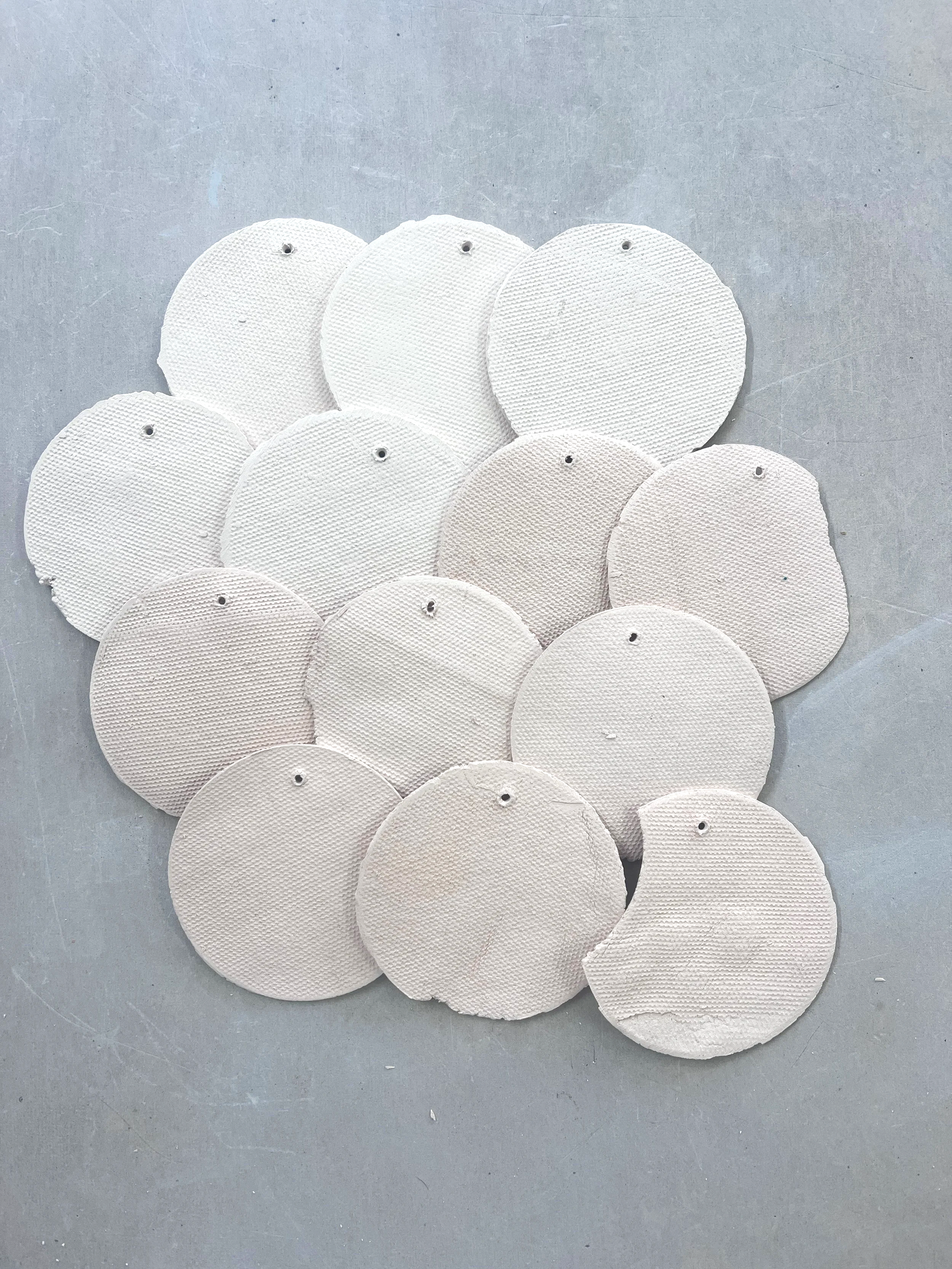
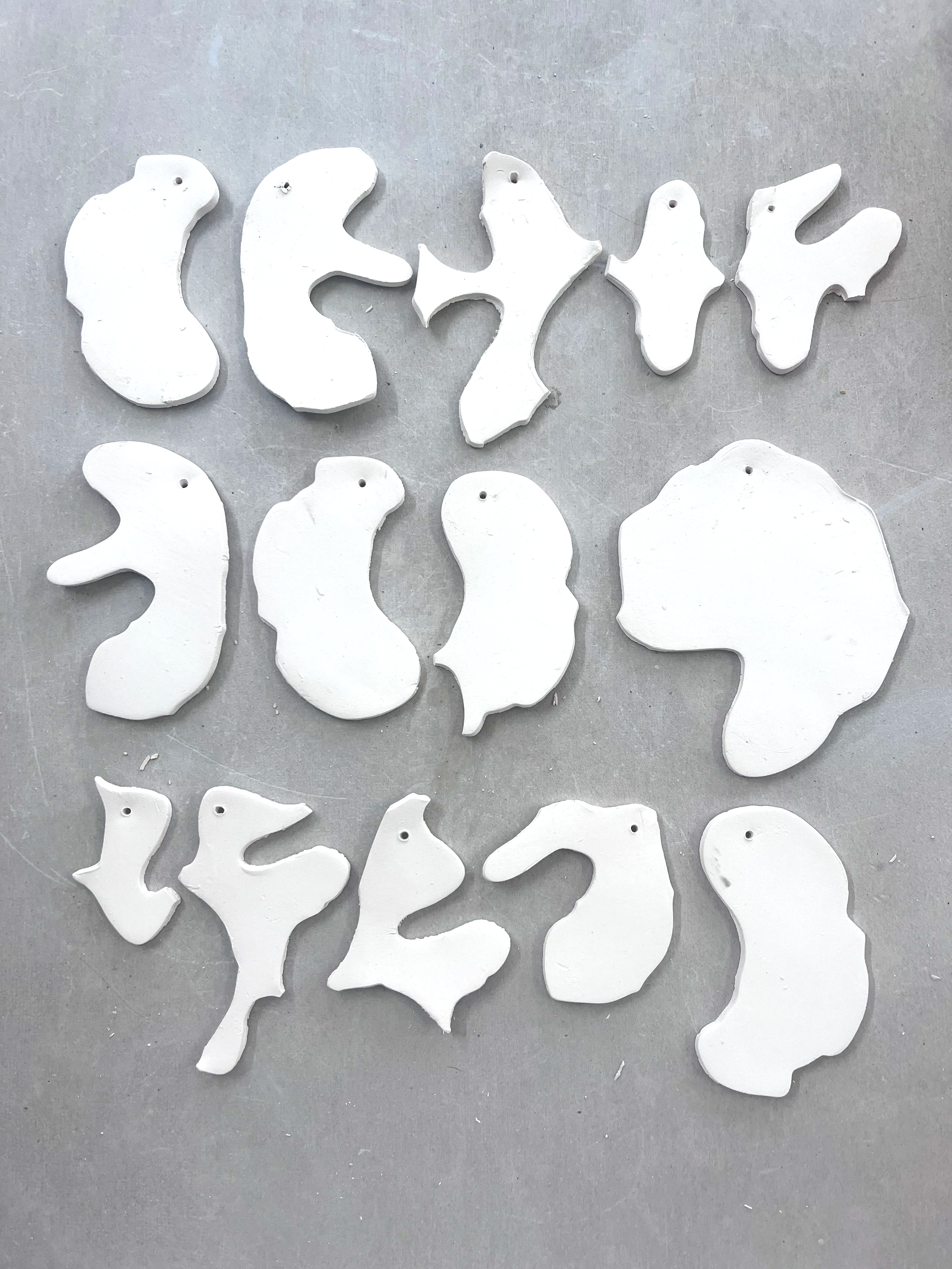
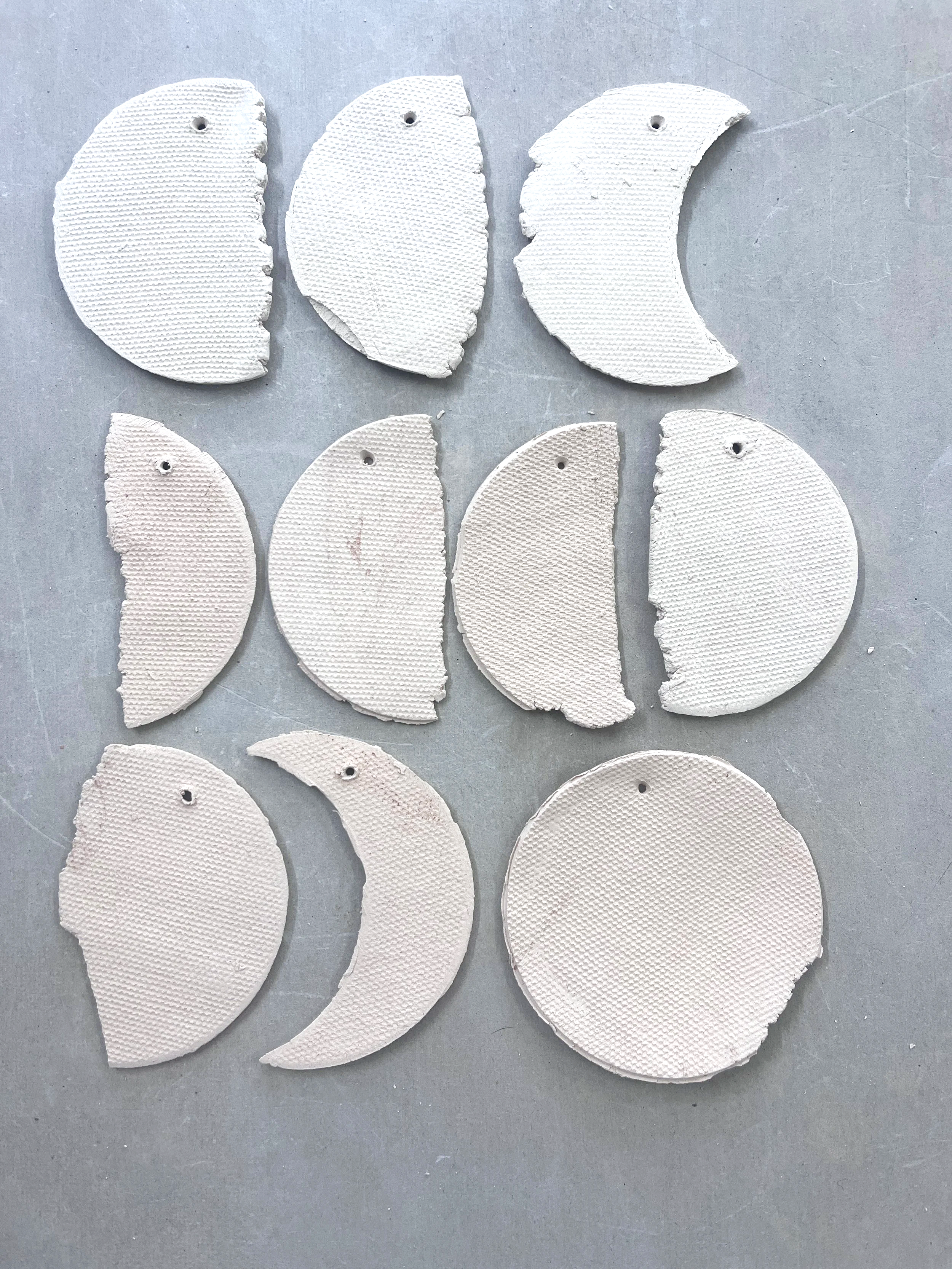
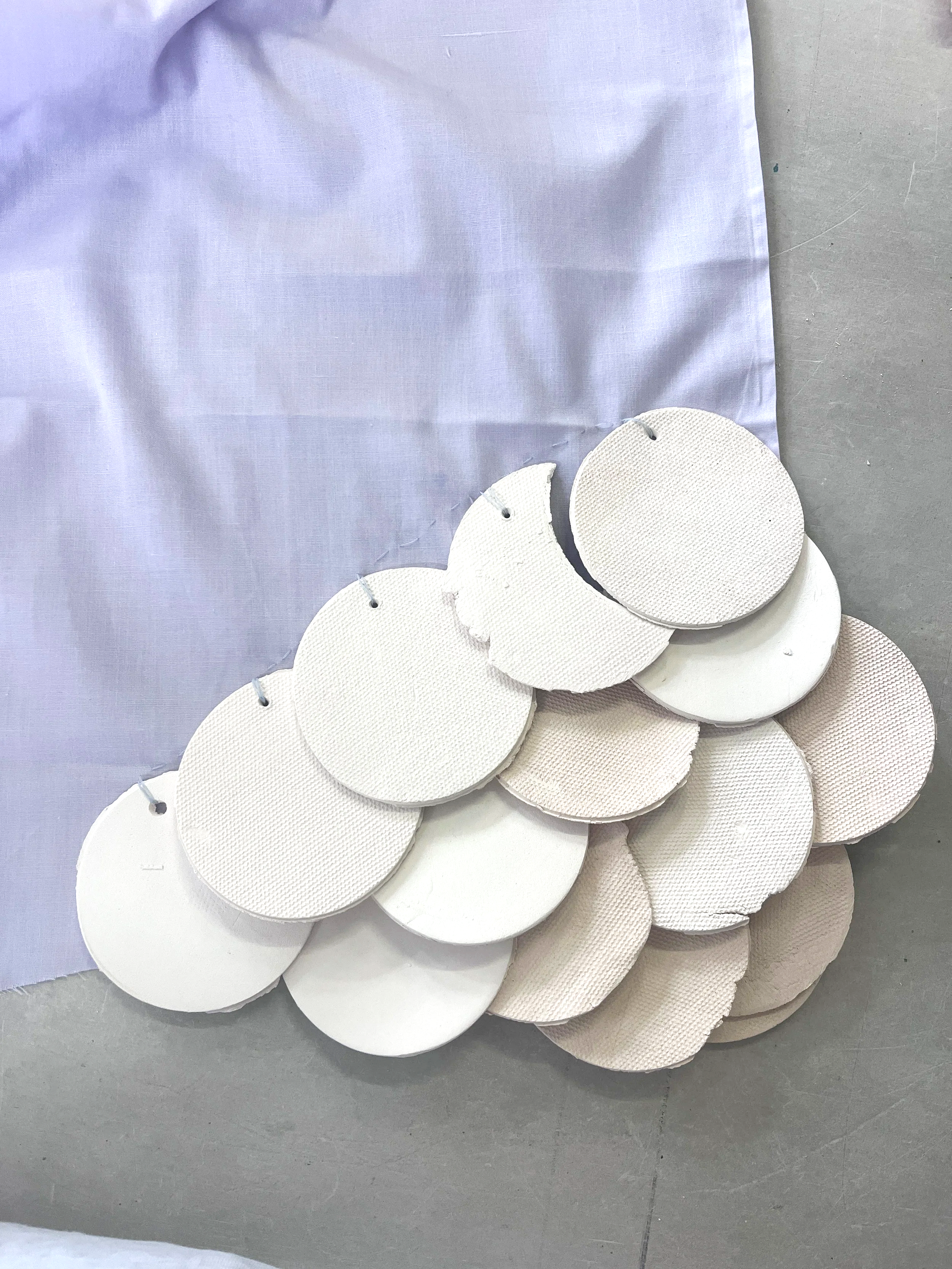
2019 - 2020For as long as I can remember I have worried deeply about human impact on the environment.
As child I fretted about the hole in the ozone layer, and wept when the black and white footage of the last Tasmanian Tiger pacing in a concrete zoo. The injustice was unbearable. I joined the local conservation group and ate a vegetarian diet as a teenager. I thrifted clothing, altering and adjusting vintage items to limit my impact on the environment. I naively believed that if everyone just tried a little harder, then we might have a chance of avoiding total ecological catastrophe.
At the end of my Bachelor degree in 2019, I decided to continue expanding my art practice and applied for a practice-led research Masters. While I watched in horror as the East coast of Australia was on fire and the Great Barrier Reef experienced another coral bleaching, I learnt I was accepted into the research program. I should have been happy but instead, I was numb, distracted by headlines reported a record melting hottest year ever globally. Weeks later, in my first week on campus, Covid ripped around the world and we locked down. My distress deepened at the inability of humans to problem solve more than one crisis during that time, while Covid deaths and developments saturated just about every media and online space available.
I began to recognise the shift from eco-anxiety to eco-grief, not just in myself, but those around me. There was less hope and an unspoken bubbling feeling that we had gone too far. Occasionally a media report not about Covid would slip through the noise, just to quietly let us know humans were hurtling towards tipping points.
In contemporary Australia we barely know how to grieve for our most loved people, let alone our pets, the creatures that choose to walk with us and warm our homes. So then how do you grieve for something that is hard to name, that has no shape? How do you grieve the loss of thousands of kilometres of charred natural habitat? Or the loss of an entire species? How do we acknowledge the sadness knowing we have lost species before they were known to us and named?
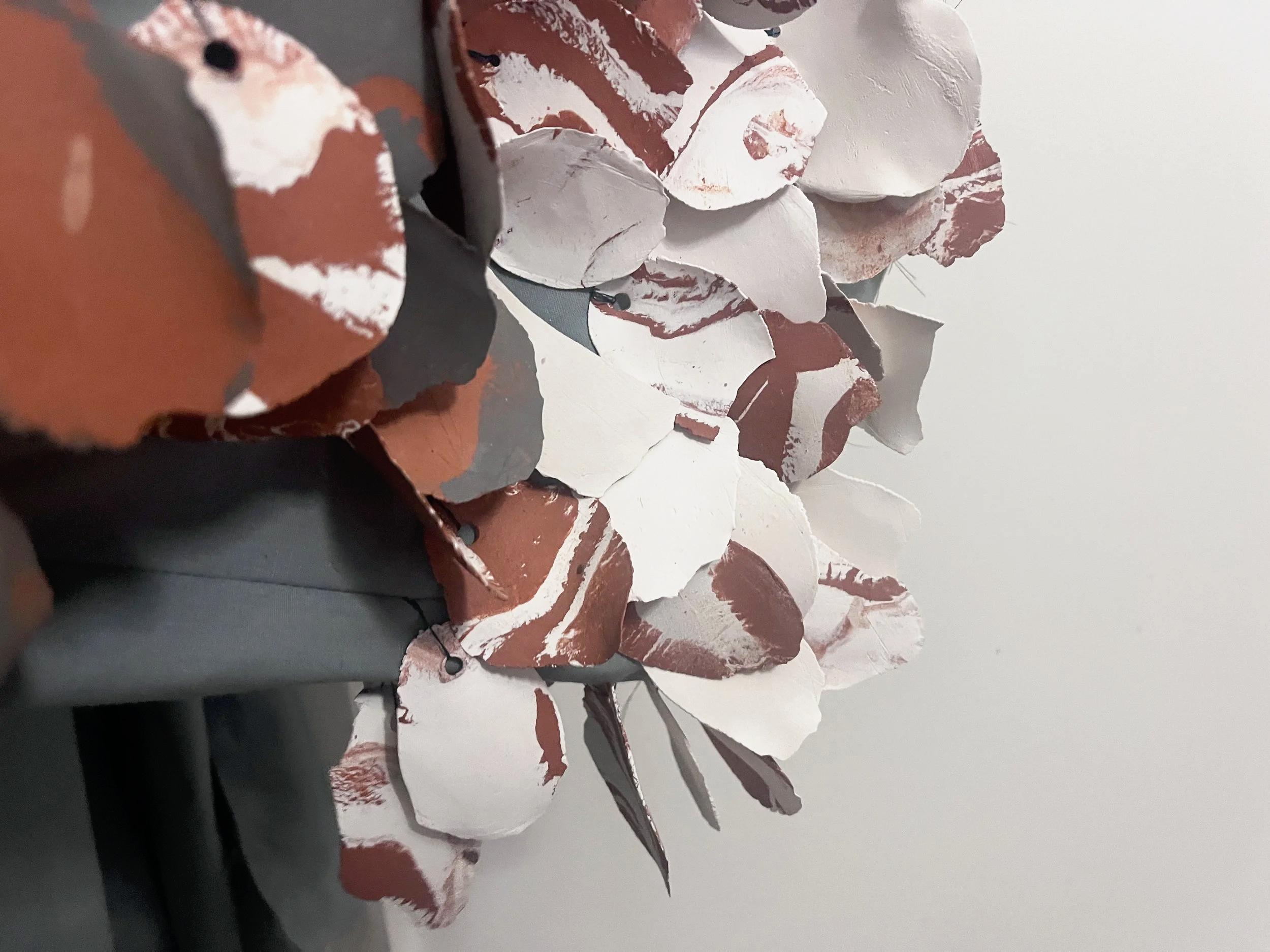
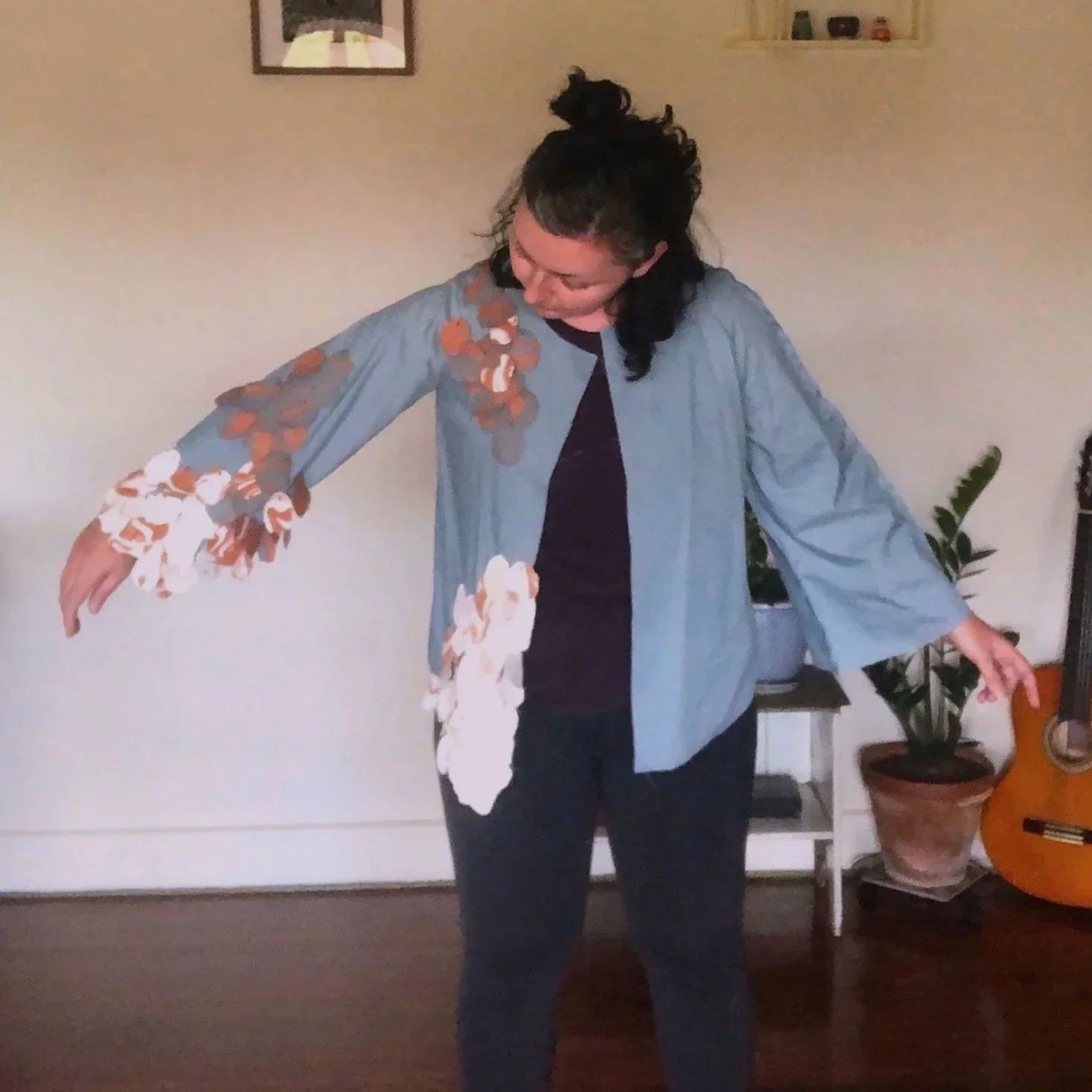
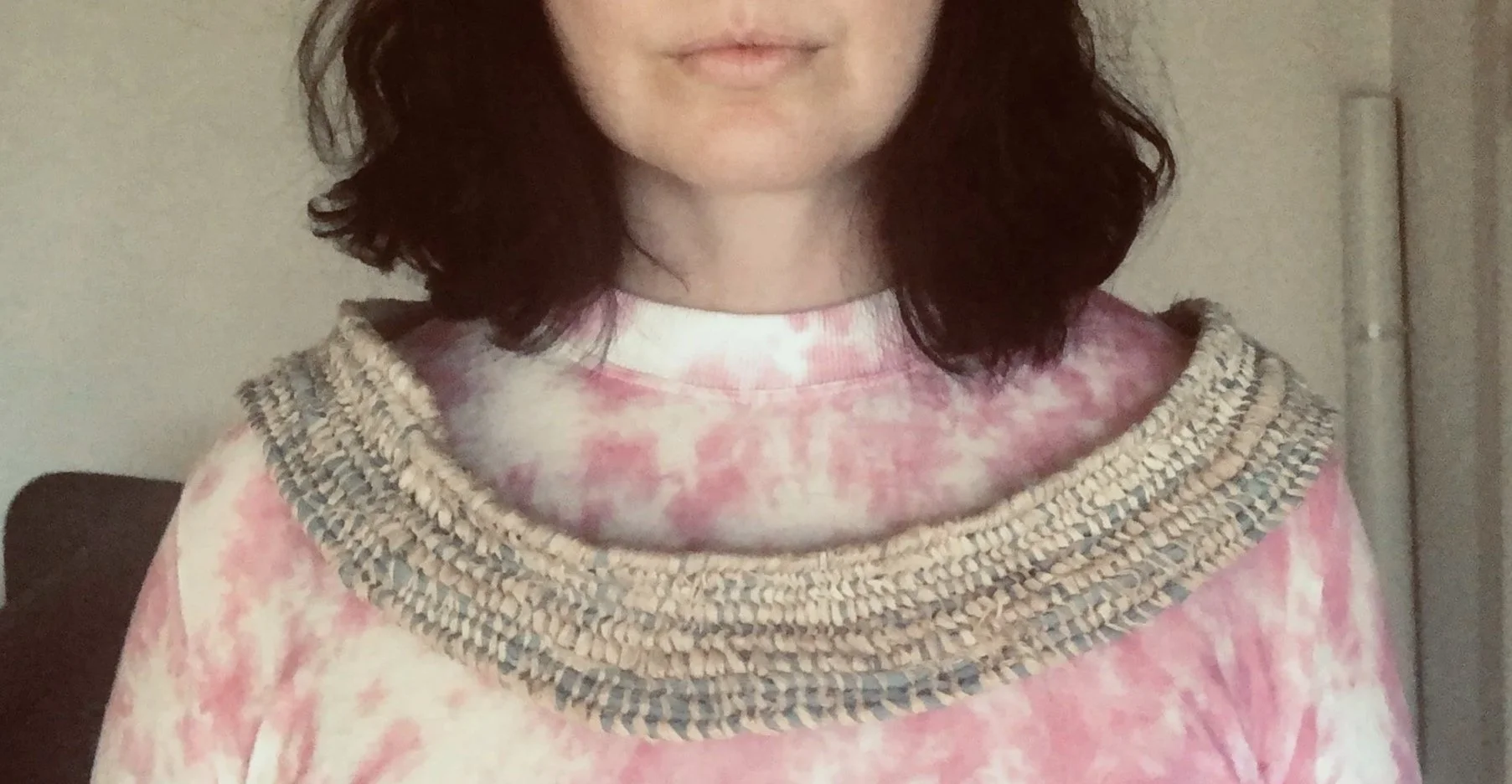
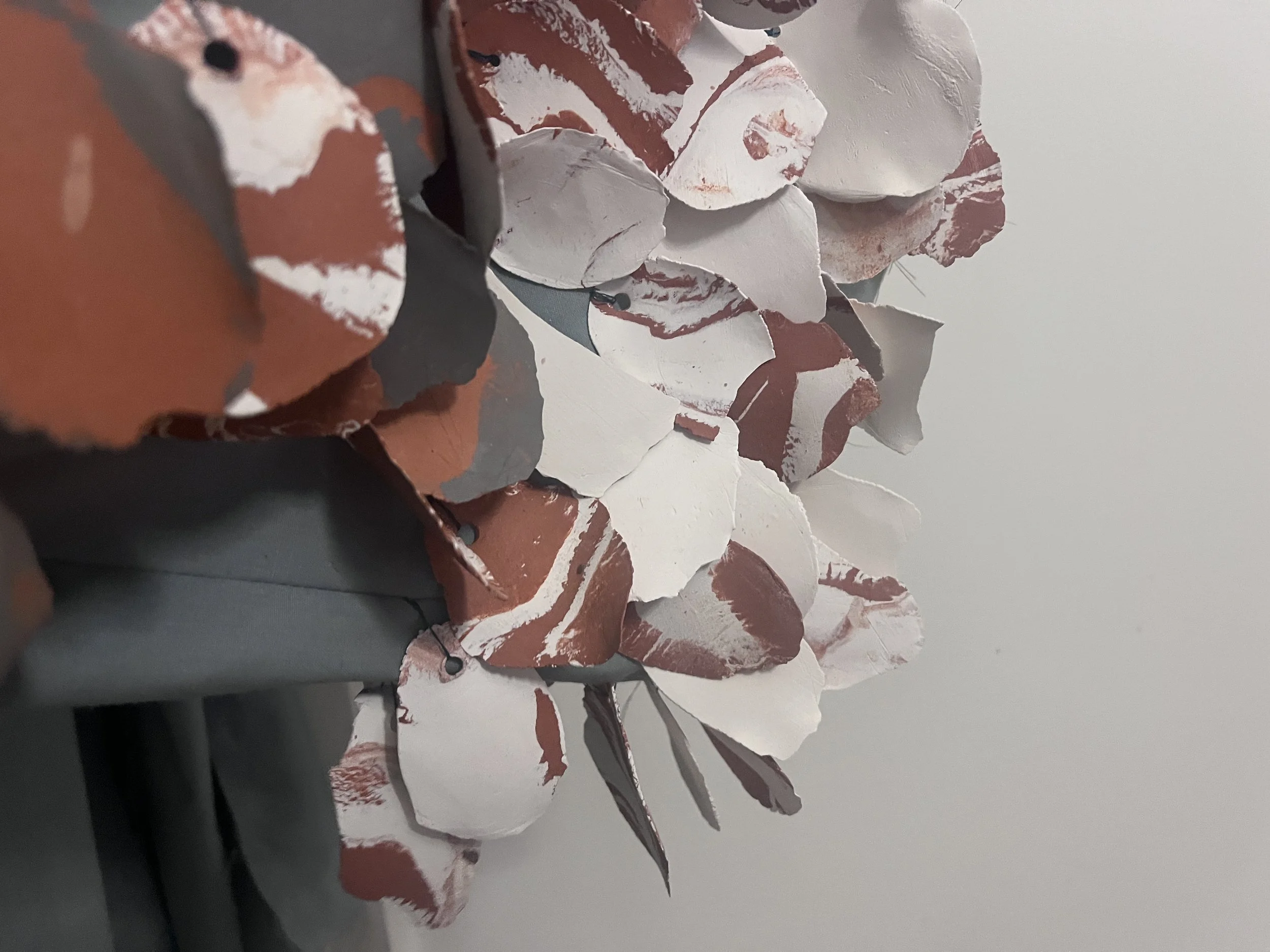
Christened Catholic to appease grandparents, I was raised in an agnostic home. Searching for a way to process my grief, and having no ritual or specific religion to guide me, I decided to create my own. Influenced by artists such as Ernesto Neto, Saya Woolfolk and Antony Gormley, I researched mourning and funerary rituals from other cultures and histories. I began to notice common threads. Costume, objects of importance and beauty, fire and smoke, water, dance and community. The images below include some of the initial experimentations I was conducting with clay, water, textile, costume and dance.